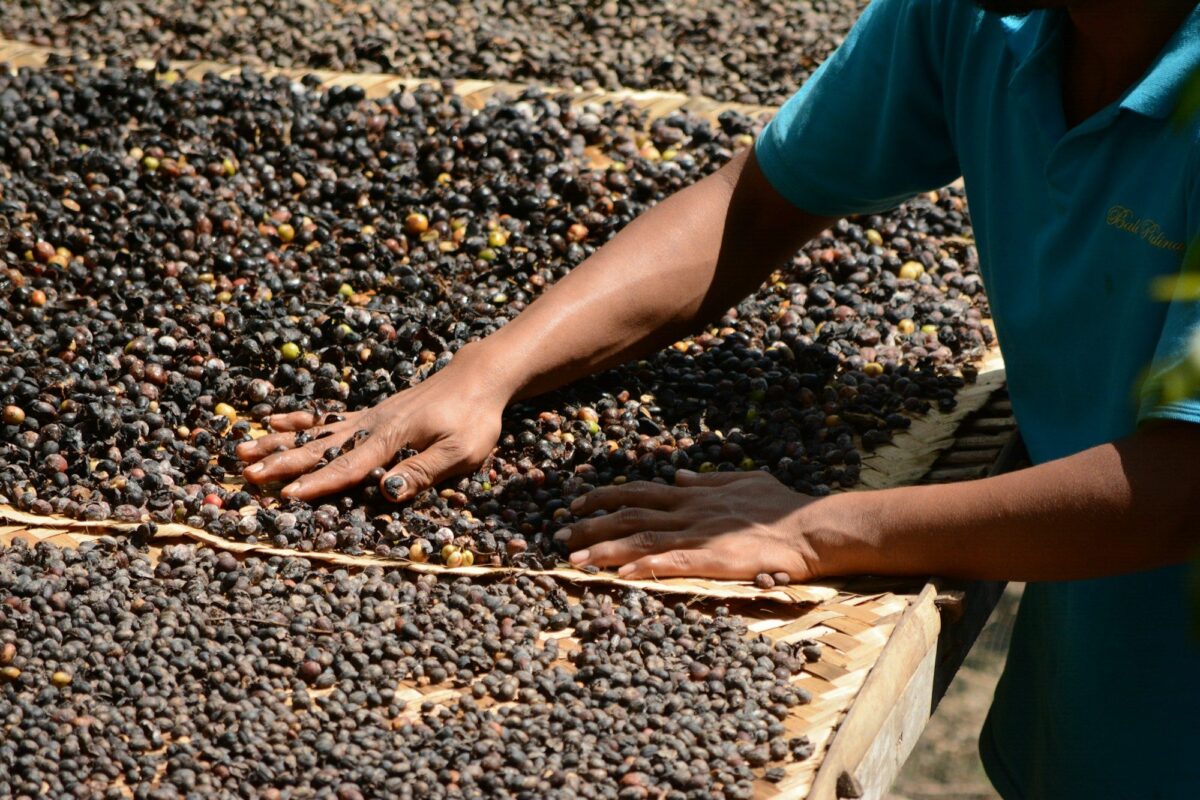
Indonesia is an archipelago of thousands of islands and one of the most diverse sources of natural products in the world: spices, vanilla, coconut products, coffee, tea, essential oils and much more. For an overseas buyer, that variety is an opportunity. The challenge is turning it into a supply you can rely on, order after order.
Why a supplier list is not enough
Much of Indonesia’s production comes from smallholder farmers. Goods often pass through collectors and processors before they reach an exporter, and they may travel between islands on the way. Each step adds a point where quality, quantity or timing can change.
Buyers who source from a list of names usually meet the same problems:
- Inconsistent quality between lots, or between the sample and the shipment.
- Unverified suppliers who cannot deliver the agreed volume or specification.
- Documentation errors that delay customs clearance at destination.
- Logistics gaps between inland transport, consolidation and freight.
- Distance: time zones and language make it hard to follow up from overseas.
What supply security means
Supply security is the confidence that what you ordered arrives as agreed — the right product, specification, quantity and paperwork, on time. It comes from managing the whole chain, not only the purchase. In practice, that chain has eight steps:
- Sourcing — finding the right origin and producers for your specification.
- Supplier qualification — assessing suppliers before they handle your order.
- Sampling — approving representative samples before committing to volume.
- Negotiation — agreeing price, volume and timing.
- Quality control — checking goods against the agreed specification.
- Documentation — preparing the export paperwork your market requires.
- Logistics coordination — packing, inland transport and freight.
- Export execution — seeing the shipment through export, with updates along the way.
When these steps are handled by different parties, every hand-over is a risk. When one partner is accountable for all of them, the buyer has a single point of contact and a single standard.
Questions to ask a sourcing partner
- How do you find and assess suppliers for this product?
- Can I approve a representative sample before the order is confirmed?
- How do you check the goods against my specification before shipment?
- Who prepares the export documents, and who coordinates logistics?
- Who is my contact from inquiry to delivery?
The RESTHA approach
RESTHA was set up as a procurement gateway rather than a commodity trader. We manage all eight steps for international buyers, across a multi-category portfolio of Indonesian natural products — so you can focus on your business while we handle the complexity of sourcing in Indonesia.