Indonesia is one of the world’s leading vanilla-producing countries, and its cured beans are used by food manufacturers, extract producers and specialty retailers around the world. Buying vanilla well, however, takes more than a price per kilo. Quality varies from grower to grower and from lot to lot, and the details you agree on before the order decide what arrives at your door.
This guide explains what international buyers should know before sourcing vanilla from Indonesia.
1. Where Indonesian vanilla comes from
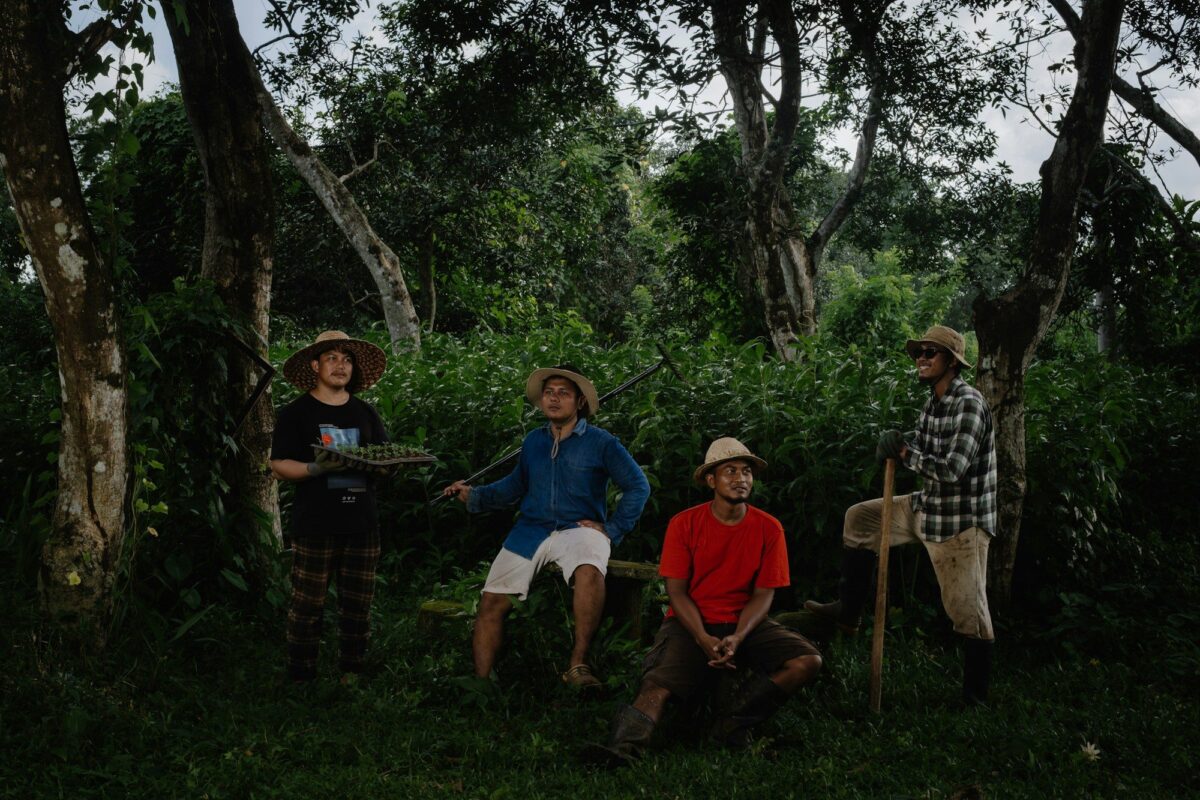
Most Indonesian vanilla is Vanilla planifolia, grown by smallholder farmers rather than large estates. Production is spread across several regions, including Papua, North Sulawesi, Bali, East Java and East Nusa Tenggara. That spread is a strength — supply does not depend on a single area — but it also means quality and curing practices differ from one community to the next.
2. Curing makes the difference
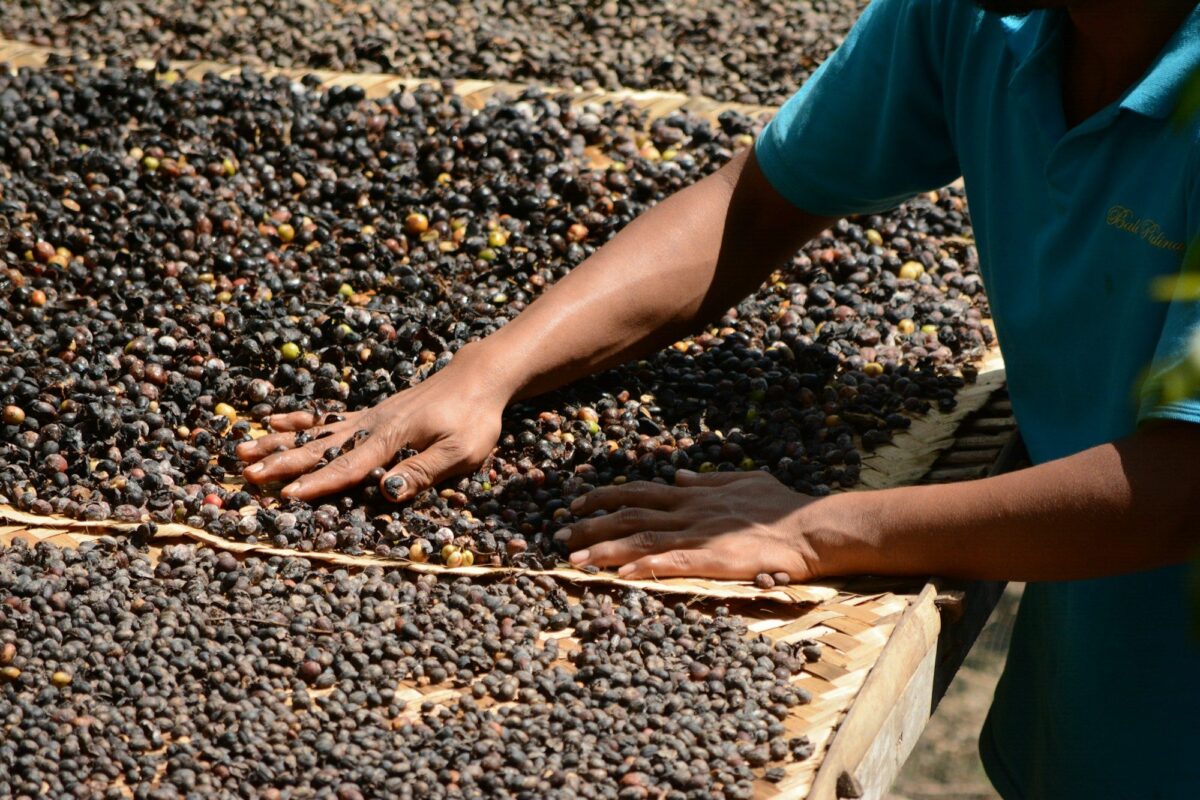
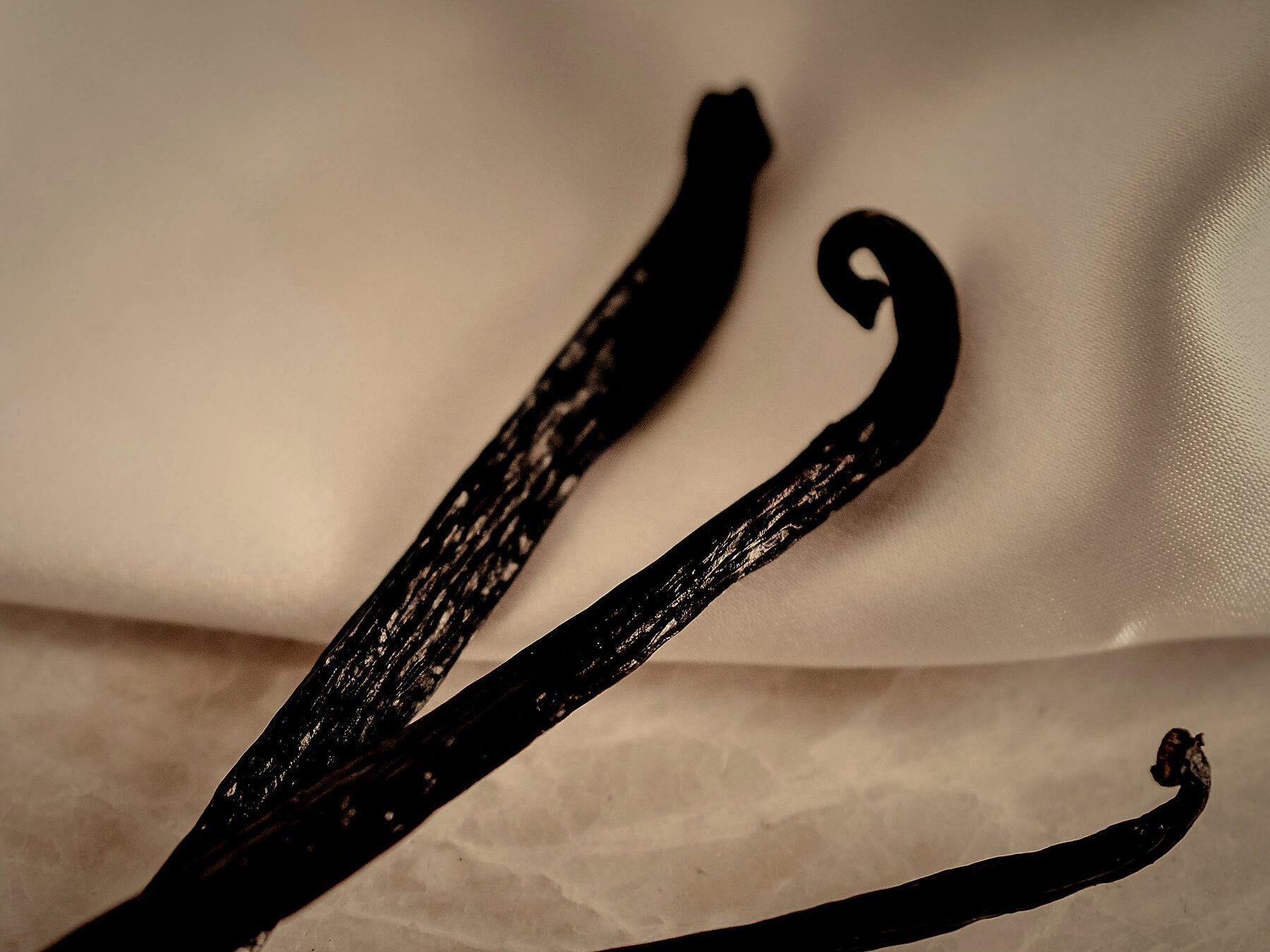
Green vanilla pods have little aroma. Flavour develops during curing: the beans are “killed” to stop growth, sweated, slowly dried and then conditioned over a period of months. Careful curing gives the dark, supple beans with an oily sheen that buyers look for. Rushed curing tends to produce beans that are dry, pale or uneven in aroma.
When you evaluate a supplier, ask how the beans are cured and conditioned, and how long the process takes.
3. Understand the grades
Grade names are not fully standardised, so always define them in your specification. In general, the market distinguishes two main types:
| Type | Typical appearance | Typical moisture | Common use |
|---|---|---|---|
| Gourmet / Grade A | Dark, supple, glossy, plump pods | Higher — often around 30–35% | Culinary, retail, premium food |
| Extraction / Grade B | Drier, may be reddish-brown or split | Lower — often around 15–25% | Vanilla extract and flavour manufacturing |
The exact limits differ between buyers and markets, so agree on them in writing for every contract.
4. Build a clear specification
A good specification protects both sides. For vanilla, it usually covers:
- Grade and intended use (gourmet or extraction).
- Length bands, for example 14–16 cm, 16–18 cm or longer.
- Moisture content range.
- Vanillin content, when relevant for extraction — measured by laboratory analysis.
- Appearance and aroma: colour, flexibility, splits allowed, absence of mould.
- Packing: bundle size, inner packing to protect moisture, outer cartons and labelling.
- Quantity and delivery window.
5. Approve samples before volume
Ask for samples that represent the lot you will actually receive, not a hand-picked showcase. Compare them against your specification, test them in your own application, and keep a reference sample. Only then confirm the order — and make the approved sample part of the agreement.
6. Plan around the crop
Harvest timing differs by region, and curing adds months before beans are ready to ship. Prices and availability can move during the year. Discuss timing early, especially for larger or recurring volumes, so sourcing, curing and shipping can be planned together.
7. Protect quality in transit
Vanilla is sensitive to moisture loss and to mould. Packing, documentation and the shipping route should be agreed before the goods leave Indonesia. The paperwork required depends on your destination market, so confirm it with your supplier at the start.
How RESTHA can help
RESTHA is an Indonesian natural products export house. For vanilla buyers, we handle sourcing, supplier qualification, sampling, negotiation, quality control, documentation, logistics coordination and export execution — so you work with one accountable partner from the first sample to the shipment.