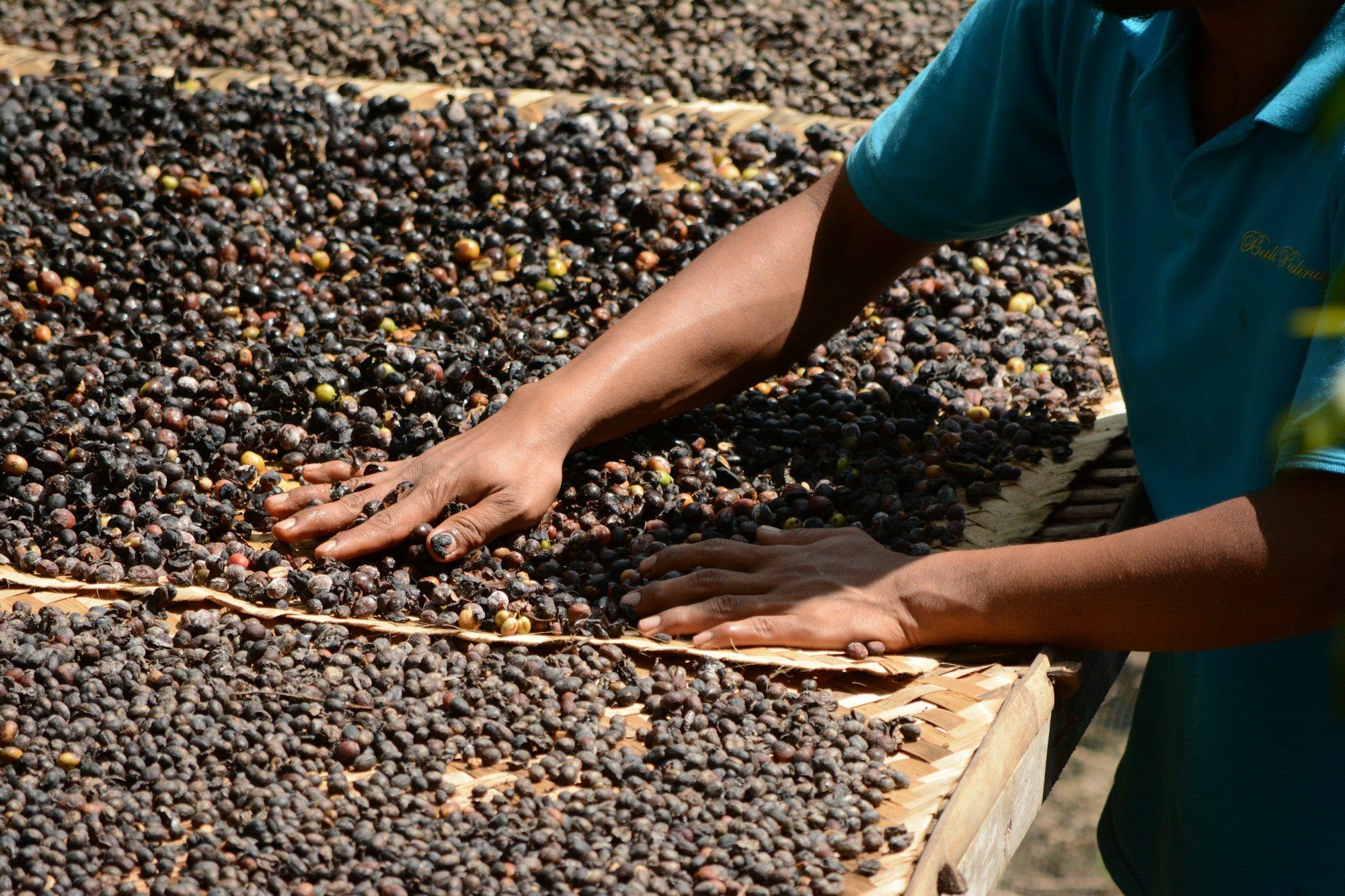
Natural products are not manufactured to a fixed recipe. Spices, beans, oils and fruit vary with the harvest, the region and the way they are processed. That is why the agreement on quality — and the way it is checked — matters as much as the price.
1. Start with a written specification
A specification turns “good quality” into something that can be checked. Depending on the product, it can include:
- Grade, size or length, and appearance (colour, uniformity, defects allowed).
- Moisture content and, where relevant, other measurable parameters.
- Aroma or flavour profile, compared with an approved reference.
- Limits for foreign matter and damaged pieces.
- Packing, labelling and marking requirements.
- Laboratory tests required by your market, if any.
The more precise the specification, the easier it is for everyone in the chain to deliver it.
2. Ask for representative samples
An indicative sample shows what a supplier can produce. A representative sample shows what you will actually receive, because it is drawn from the lot that will be shipped. For a first order, it is worth seeing both.
Keep a reference sample after approval. It becomes the benchmark if questions arise later.
3. Test in your own application
Lab values tell part of the story. Check how the product performs in your process — in the extract, the blend, the recipe or on the shelf. Note any adjustments to the specification before you confirm the order.
4. Check before the goods leave
Quality control is most useful before shipment, while problems can still be fixed. A pre-shipment check compares the goods with the agreed specification and the approved sample: appearance, measurable parameters, quantity, packing and labelling. Where the market requires it, laboratory analysis or an independent inspection can be added.
5. Document the results
Record what was checked, the results and photos of the goods and packing. If a lot does not match, decide together whether to sort, re-process or replace it — before it is loaded, not after it arrives.
6. Protect the product in transit
Packing should suit the product and the route: moisture protection for dried goods, suitable containers for oils, and clear marking for every carton. Good packing keeps the quality you approved intact until delivery.
How RESTHA works
Sampling and quality control are two of the eight steps RESTHA manages for international buyers, alongside sourcing, supplier qualification, negotiation, documentation, logistics coordination and export execution. Tell us your specification and we will propose samples before you commit to volume.